- Posts: 795
- Thank you received: 13
- Forum
- Open Forum
- Miscellaneous Research Topics
- General Airfield or 20th Century Military Architecture Discussion Topics
- Finds and UXBs!
Finds and UXBs!
- OneEighthBit
-

- Offline
- Elite Member
-

Less
More
04 Nov 2011 11:15 #101
by OneEighthBit
Replied by OneEighthBit on topic Finds and UXBs!
I was given a shell case by a Dutch guy from Arnhem he'd found while out walking his dog. Closer inspection revealed it was a .303 and from the distinctive firing pin imprint, fired from a Bren gun.
Was quite chuffed he decided to give it to me.
Was quite chuffed he decided to give it to me.
Please Log in or Create an account to join the conversation.
- horrocks
-

- Offline
- Senior Member
-

Less
More
- Posts: 233
- Thank you received: 4
07 Nov 2011 13:18 #102
by horrocks
Replied by horrocks on topic Finds and UXBs!
Re. The Somme. Seven or eight years ago, on a beautiful May morning, I was walking in Delville Wood on the Somme. One of the rides had been rotavated to re-seed the grass. There was a uniform layer of iron-oxide across the entire area, lumps of rusting shell casing, and quite literally handfuls of .303 ammunition, some live, some fired, much of it broken. All just beneath the tranquil surface. The iron-harvest does not diminish. Clusters of live shells on field margins are a very common sight.
This image is hidden for guests.
Live ordnance at Serre.
This image is hidden for guests.
Unused rolls of barbed wire excavated from a trench in Auchonvillers.
This image is hidden for guests.
Wire pickets and general scrap at Beaumont Hamel.
This image is hidden for guests.
Please log in or register to see it.
Live ordnance at Serre.
This image is hidden for guests.
Please log in or register to see it.
Unused rolls of barbed wire excavated from a trench in Auchonvillers.
This image is hidden for guests.
Please log in or register to see it.
Wire pickets and general scrap at Beaumont Hamel.
Please Log in or Create an account to join the conversation.
- Richard Drew
-

- Offline
- Elite Member
-
Less
More
- Posts: 1181
- Thank you received: 13
07 Nov 2011 17:04 #103
by Richard Drew
This image is hidden for guests.
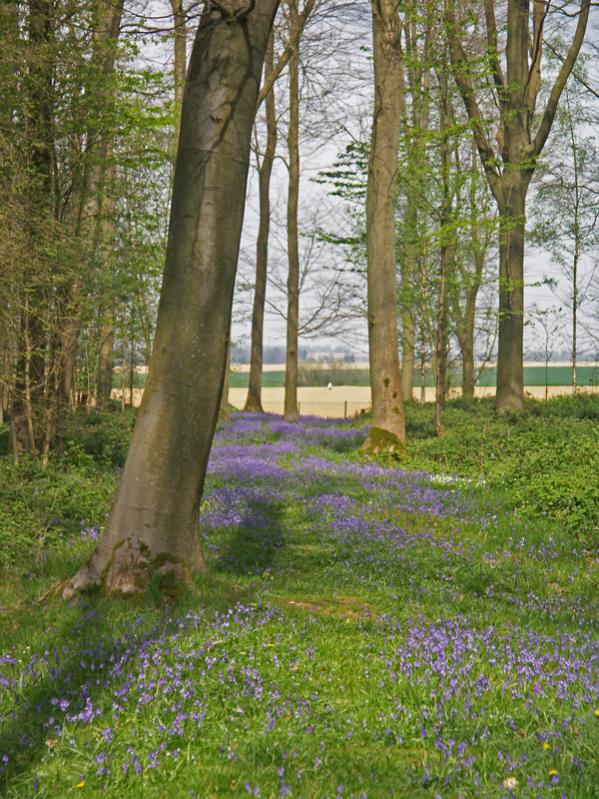
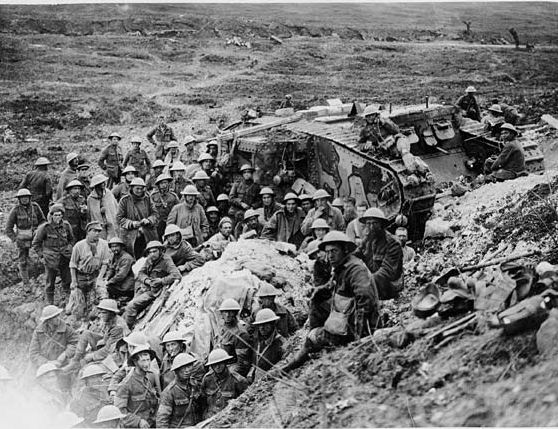
Delville wood with Blue Bells is a very pretty sight and beyond where the tanks advanced into Flers from the mud to open fields.
This image is hidden for guests.
Flers
[IMG]/community/88302=6566-Mametz wood.jpg[/img] Mametz wood where the Welsh attacked down this small slope into a wood full of shell blasted broken trees and roots, trenches and barbed wire. The wood was cleared in the end, but what a cost. I did feel a bit of an intruder when we entered the wood. It was an odd feeling.
This image is hidden for guests.
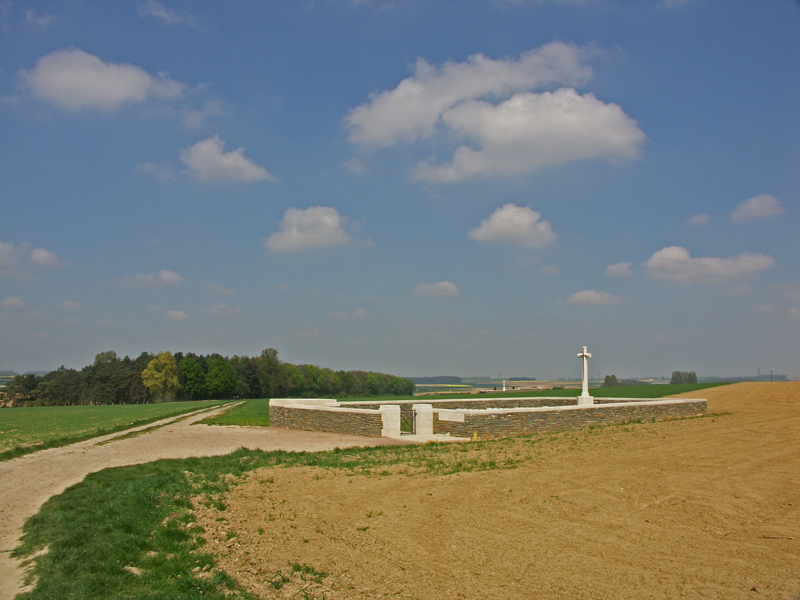
Sarre front line that never moved, it started here in July 1916 and stayed until long after the battle.
This image is hidden for guests.
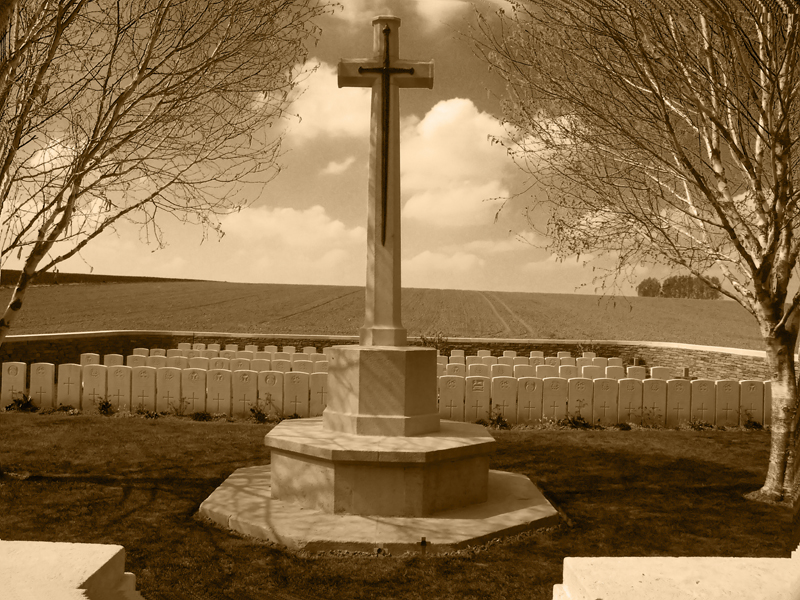
Serre cemetery in the valley.
Richard
www.atlantikwall.co.uk
Replied by Richard Drew on topic Finds and UXBs!
This image is hidden for guests.
Please log in or register to see it.
This image is hidden for guests.
Please log in or register to see it.
[IMG]/community/88302=6566-Mametz wood.jpg[/img] Mametz wood where the Welsh attacked down this small slope into a wood full of shell blasted broken trees and roots, trenches and barbed wire. The wood was cleared in the end, but what a cost. I did feel a bit of an intruder when we entered the wood. It was an odd feeling.
This image is hidden for guests.
Please log in or register to see it.
This image is hidden for guests.
Please log in or register to see it.
Richard
www.atlantikwall.co.uk
Please Log in or Create an account to join the conversation.
- horrocks
-
- Offline
- Senior Member
-
Less
More
- Posts: 233
- Thank you received: 4
07 Nov 2011 18:55 #104
by horrocks
Replied by horrocks on topic Finds and UXBs!
Richard, I had a similar feeling of discomfort when I ventured into Mametz Wood. It was a sunny May morning, just as in your photo, but as soon as I pushed into the undergrowth of The Hammerhead, precisely the section of wood in your photograph, I felt distinctly uncomfortable, to the point where I had an uncanny sense of being watched. It was also completely silent. I couldn't get back out quickly enough, and as I walked back across the slope to our party on the track up to the cemetery, the hair on the back of my neck was standing up. I told this story on the Great War Forum in a thread titled 'strange occurrences', and it materialised that something like 22 other people had reported almost identical experiences!
The 38th Welsh took terrible casualties on that grassy rise up to the Hammerhead during the first attack on the 7th July, both from the German trenches on the treeline, and in enfilade from machine guns situated at Flatiron Copse up the valley (variously 'Happy Valley' and 'Death Valley') to the right. That initial attack was repelled, and the subsequent, larger and ultimately successful attack by the Welsh went in on the area out of frame to the left of your photo on the 10th. It is a very moving place, interestingly intensely recorded by Graves, Sassoon, David Jones (in the brilliant 'In Parenthesis') and many others. Graves's shattered but still living body was brought down the valley on a GS wagon following his being wounded in the first attack on High Wood a few days later. Still under artillery fire (as it remained for many weeks), so bumpy was it that he briefly and agonisingly regained consciousness.
The 38th Welsh took terrible casualties on that grassy rise up to the Hammerhead during the first attack on the 7th July, both from the German trenches on the treeline, and in enfilade from machine guns situated at Flatiron Copse up the valley (variously 'Happy Valley' and 'Death Valley') to the right. That initial attack was repelled, and the subsequent, larger and ultimately successful attack by the Welsh went in on the area out of frame to the left of your photo on the 10th. It is a very moving place, interestingly intensely recorded by Graves, Sassoon, David Jones (in the brilliant 'In Parenthesis') and many others. Graves's shattered but still living body was brought down the valley on a GS wagon following his being wounded in the first attack on High Wood a few days later. Still under artillery fire (as it remained for many weeks), so bumpy was it that he briefly and agonisingly regained consciousness.
Please Log in or Create an account to join the conversation.
- Richard Drew
-
- Offline
- Elite Member
-
Less
More
- Posts: 1181
- Thank you received: 13
07 Nov 2011 19:55 #105
by Richard Drew
Richard
www.atlantikwall.co.uk
Replied by Richard Drew on topic Finds and UXBs!
Well I am glad its not just me, I don't get spooked by very much and in Normandy never. We continued up to the cemetery and crossed to Bois Santin (not sure of the 1916 name) and that was OK. We did a bit of kicking mole hills like you do and found this
[IMG]/community/88329=6570-Bois Santin.jpg[/img] Not a UXB but probably the Contents could have fired a hot belly.
Another place is the
[IMG]/community/88329=6572-Riqueval 2000.jpg[/img]
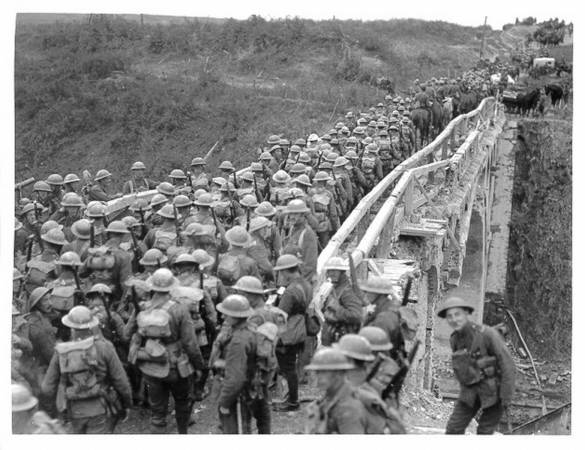
[IMG]/community/88329=6571-2 oct 1918.jpg[/img] Riqueval Bridge north of St Quentin on the St Quentin Canal. My picture was taken in 2000 on the wrong side of the bridge but look at the soldiers who had just captured the canal and crossed it with life vests taken from channel ferries to aid their crossing. These were the lucky ones as the war was soon to end and I hope most made it home.
This image is hidden for guests.
Also
[IMG]/community/88329=6574-Riqueval 2000 bunker.jpg[/img] I forgot I had this picture of a friend climbing on either a bunker or part of I believe the 1940 defence of the bridge.
[IMG]/community/88329=6570-Bois Santin.jpg[/img] Not a UXB but probably the Contents could have fired a hot belly.
Another place is the
[IMG]/community/88329=6572-Riqueval 2000.jpg[/img]
[IMG]/community/88329=6571-2 oct 1918.jpg[/img] Riqueval Bridge north of St Quentin on the St Quentin Canal. My picture was taken in 2000 on the wrong side of the bridge but look at the soldiers who had just captured the canal and crossed it with life vests taken from channel ferries to aid their crossing. These were the lucky ones as the war was soon to end and I hope most made it home.
This image is hidden for guests.
Please log in or register to see it.
Also
[IMG]/community/88329=6574-Riqueval 2000 bunker.jpg[/img] I forgot I had this picture of a friend climbing on either a bunker or part of I believe the 1940 defence of the bridge.
Richard
www.atlantikwall.co.uk
Please Log in or Create an account to join the conversation.
- PETERTHEEATER
-

- Offline
- Platinum Member
-

Less
More
- Posts: 10905
- Thank you received: 772
08 Nov 2011 10:10 #106
by PETERTHEEATER
Replied by PETERTHEEATER on topic Finds and UXBs!
Post 103, Image # 1 - They are UXB shells, you can see the gun barrel rifling marks on the driving bands. Millions of shells were fired by all combatants in that conflict and there must be hundreds of unexploded shells alone contaminating the area although many are empty gas (!) and smoke shells.
When I was on Bomb Disposal there was a standing joke that our next task would be The Somme!
When I was on Bomb Disposal there was a standing joke that our next task would be The Somme!
Please Log in or Create an account to join the conversation.
- horrocks
-
- Offline
- Senior Member
-
Less
More
- Posts: 233
- Thank you received: 4
08 Nov 2011 12:18 #107
by horrocks
Replied by horrocks on topic Finds and UXBs!
It was, and I am told remains, remarkably common for scrap metal scavengers to take to the copper driving bands with hammer and chisel, sometimes with disastrous results. Certainly many of the live shells that you see in The Somme are missing the driving bands.Post 103, Image # 1 - They are UXB shells, you can see the gun barrel rifling marks on the driving bands...
Please Log in or Create an account to join the conversation.
- PETERTHEEATER
-
- Offline
- Platinum Member
-
Less
More
- Posts: 10905
- Thank you received: 772
09 Nov 2011 06:57 #108
by PETERTHEEATER
Replied by PETERTHEEATER on topic Finds and UXBs!
The Germans used sintered iron a lot in lieu of copper.
Please Log in or Create an account to join the conversation.
- Bigbear
- Visitor
-

10 Nov 2011 06:59 #109
by Bigbear
Replied by Bigbear on topic Finds and UXBs!
Please Log in or Create an account to join the conversation.
- PETERTHEEATER
-
- Offline
- Platinum Member
-
Less
More
- Posts: 10905
- Thank you received: 772
10 Nov 2011 07:08 #110
by PETERTHEEATER
Replied by PETERTHEEATER on topic Finds and UXBs!
'That is the sound of a Spitfire'
Really, sounded like a Browning gun to me:)
The sound of a Spitfire is MERLIN! Don't you agree?
Really, sounded like a Browning gun to me:)
The sound of a Spitfire is MERLIN! Don't you agree?
Please Log in or Create an account to join the conversation.
- Forum
- Open Forum
- Miscellaneous Research Topics
- General Airfield or 20th Century Military Architecture Discussion Topics
- Finds and UXBs!
Time to create page: 0.070 seconds

![[IMG]/community/88302=6566-Mametz wood.jpg[/img]](/community/88302=6566-Mametz%20wood.jpg)
![[IMG]/community/88329=6570-Bois Santin.jpg[/img]](/community/88329=6570-Bois%20Santin.jpg)
![[IMG]/community/88329=6572-Riqueval 2000.jpg[/img]](/community/88329=6572-Riqueval%202000.jpg)
![[IMG]/community/88329=6571-2 oct 1918.jpg[/img]](/community/88329=6571-2%20oct%201918.jpg)
![[IMG]/community/88329=6574-Riqueval 2000 bunker.jpg[/img]](/community/88329=6574-Riqueval%202000%20bunker.jpg)