- Posts: 1287
- Thank you received: 195
- Forum
- Open Forum
- Miscellaneous Research Topics
- General Airfield or 20th Century Military Architecture Discussion Topics
- Finds and UXBs!
Finds and UXBs!
- John Anderson
- Offline
- Elite Member
-

Less
More
13 Apr 2013 14:36 #211
by John Anderson
[IMG]/community/124286=12008-Scanned Image.jpg[/img]
Replied by John Anderson on topic Finds and UXBs!
The Mark V was just over 15 inches in diameter. Your specimen has what appears to be a suspension lug near the front end but too close. However, most of the air dropped mines in that series had a nose fairing that came off as the mine hit the water so could be sans fairing. I should have thought though that it would have a single point suspension to suit the British bomb carriers in which case the lug is too far forward so it might be a tail section?
Get your welly boots and shovel or call EOD:)
[IMG]/community/124286=12008-Scanned Image.jpg[/img]
Please Log in or Create an account to join the conversation.
- PETERTHEEATER
-

- Offline
- Platinum Member
-

Less
More
- Posts: 10905
- Thank you received: 772
14 Apr 2013 09:58 #212
by PETERTHEEATER
Replied by PETERTHEEATER on topic Finds and UXBs!
Good find John. Trust the RN to get into mixed loads including CW!
The image of the mine confirms the forward location of the suspension lug and the nose section apparently missing from your find. Now, is it sand-filled for practice or.........
Mark VIII Airborne Ground Mine - A mine for dropping into rivers and designed to fit 500 pound bomb carrier release. Bulk orders placed January 1944. Magnetic influence fuze/pistol. An acoustic version was on the books but appears not to have gone into production. Weight 500 pounds (227kg); dimensions 13 inches diameter, 57 inches long. Filled 180 pounds of Amatol or 200 pounds of Minol.
The image of the mine confirms the forward location of the suspension lug and the nose section apparently missing from your find. Now, is it sand-filled for practice or.........
Mark VIII Airborne Ground Mine - A mine for dropping into rivers and designed to fit 500 pound bomb carrier release. Bulk orders placed January 1944. Magnetic influence fuze/pistol. An acoustic version was on the books but appears not to have gone into production. Weight 500 pounds (227kg); dimensions 13 inches diameter, 57 inches long. Filled 180 pounds of Amatol or 200 pounds of Minol.
Please Log in or Create an account to join the conversation.
- John Anderson
- Offline
- Elite Member
-
Less
More
- Posts: 1287
- Thank you received: 195
14 Apr 2013 22:50 #213
by John Anderson
This image is hidden for guests.
This image is hidden for guests.
This image is hidden for guests.
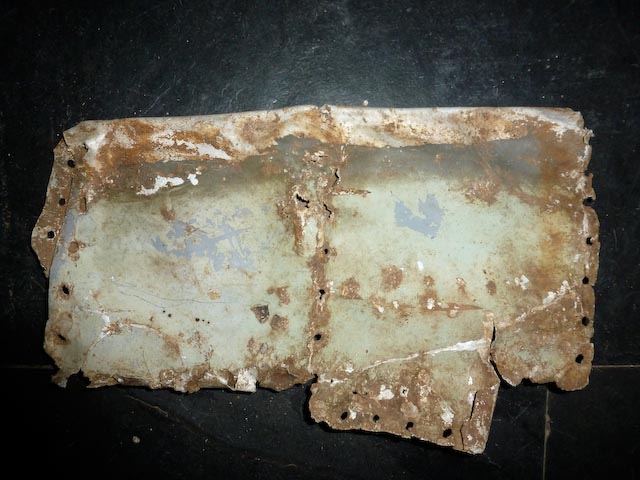
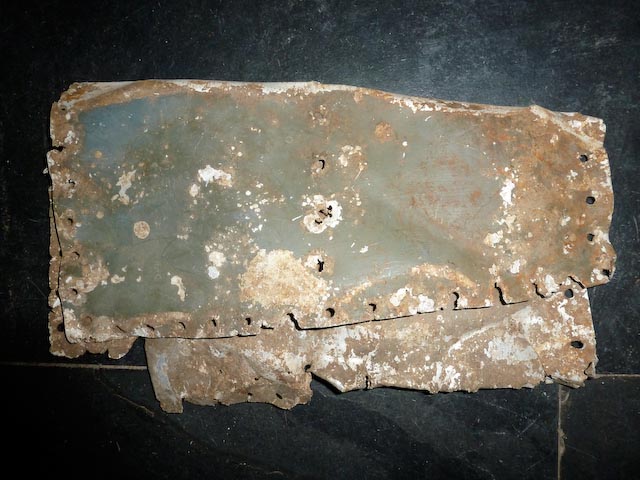
Some surface finds from the valley inland (East) of the target area at Treligga. Apart from the cannon fairing (middle image) in FAA colour scheme the other 2 parts are I believe from Swordfish L2799 774 Sqn FAA which crashed 30/05/1941, 3 fatalities buried in St Merryn churchyard.
Replied by John Anderson on topic Finds and UXBs!
This image is hidden for guests.
Please log in or register to see it.
This image is hidden for guests.
Please log in or register to see it.
This image is hidden for guests.
Please log in or register to see it.
Some surface finds from the valley inland (East) of the target area at Treligga. Apart from the cannon fairing (middle image) in FAA colour scheme the other 2 parts are I believe from Swordfish L2799 774 Sqn FAA which crashed 30/05/1941, 3 fatalities buried in St Merryn churchyard.
Please Log in or Create an account to join the conversation.
- Peter Kirk
-

- Offline
- Moderator
-

Less
More
- Posts: 12446
- Thank you received: 1029
15 Apr 2013 07:21 #214
by Peter Kirk
No Amount Of Evidence Will Ever Persuade An Idiot (probably not Mark Twain)
Replied by Peter Kirk on topic Finds and UXBs!
I am in staying in Tintagel and hope to visit the range area today, weather and wife and daughters permitting!
No Amount Of Evidence Will Ever Persuade An Idiot (probably not Mark Twain)
Please Log in or Create an account to join the conversation.
- John Anderson
- Offline
- Elite Member
-
Less
More
- Posts: 1287
- Thank you received: 195
15 Apr 2013 08:44 #215
by John Anderson
This image is hidden for guests.
This image is hidden for guests.
This image is hidden for guests.
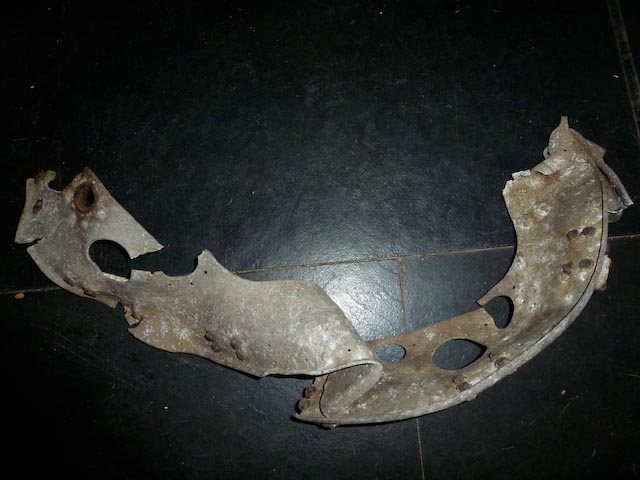
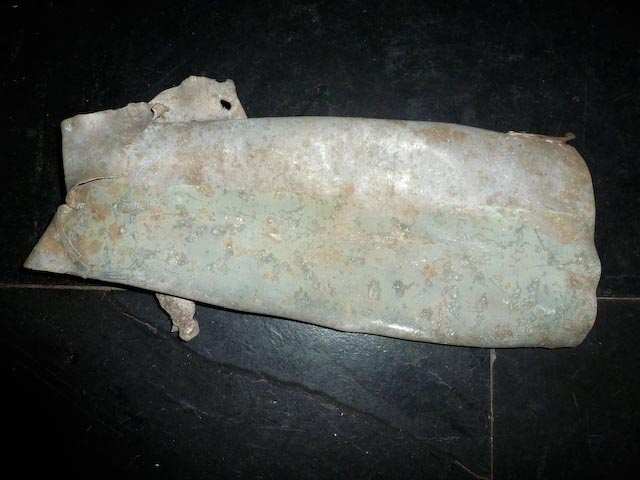
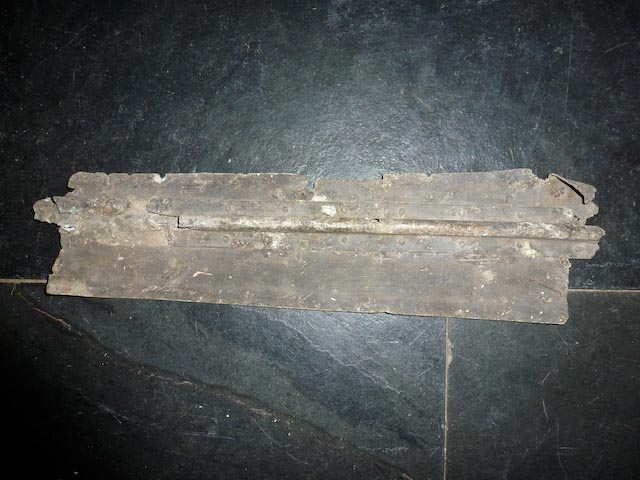
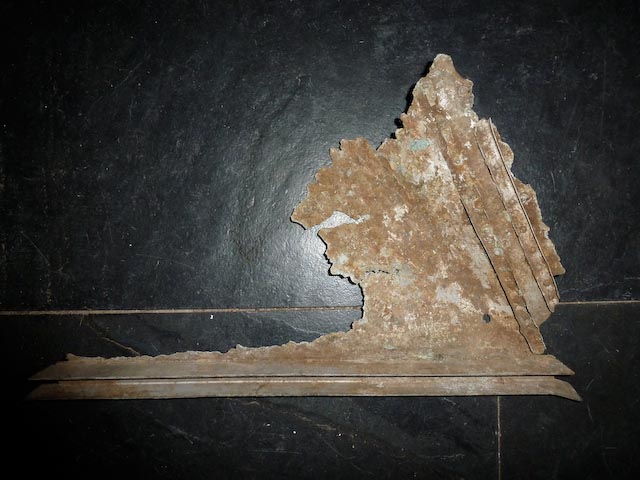
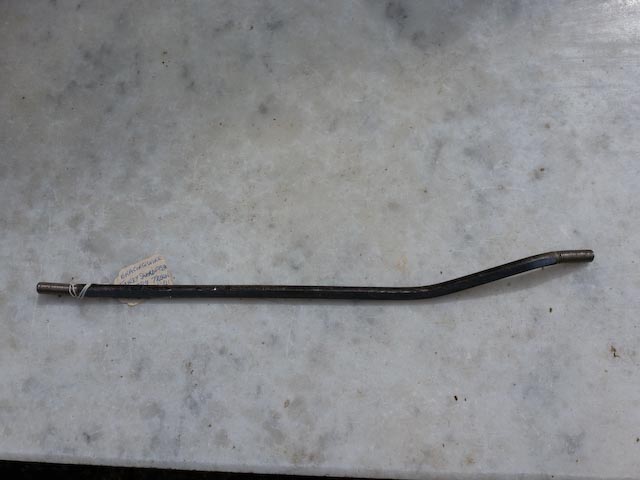
Some other aircraft bits also believed to be from the Swordfish.
Peter-the weather looking good in the Trebarwith area today, may be the odd shower.
Attached files
This image is hidden for guests.
Replied by John Anderson on topic Finds and UXBs!
This image is hidden for guests.
Please log in or register to see it.
This image is hidden for guests.
Please log in or register to see it.
This image is hidden for guests.
Please log in or register to see it.
Some other aircraft bits also believed to be from the Swordfish.
Peter-the weather looking good in the Trebarwith area today, may be the odd shower.
Attached files
This image is hidden for guests.
Please log in or register to see it.
Please Log in or Create an account to join the conversation.
- John Anderson
- Offline
- Elite Member
-
Less
More
- Posts: 1287
- Thank you received: 195
19 Apr 2013 19:53 #216
by John Anderson
This image is hidden for guests.
This image is hidden for guests.
This image is hidden for guests.
This image is hidden for guests.
This image is hidden for guests.
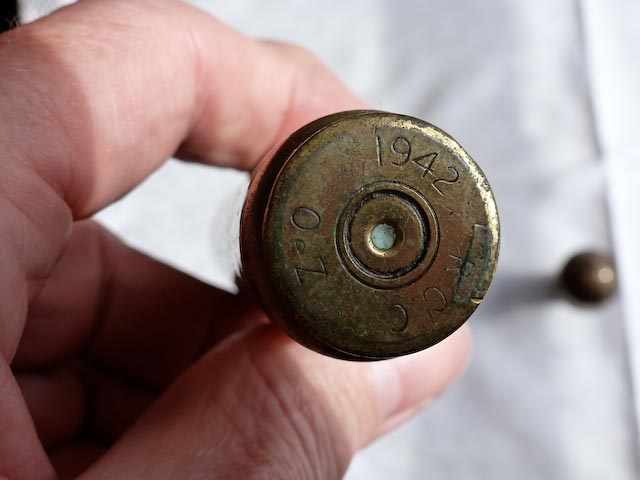
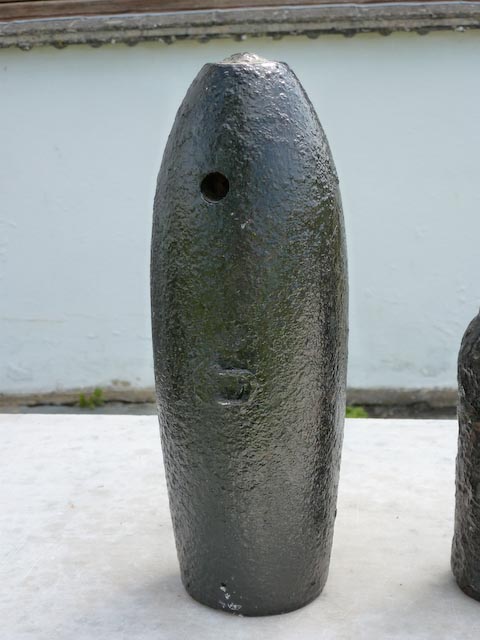
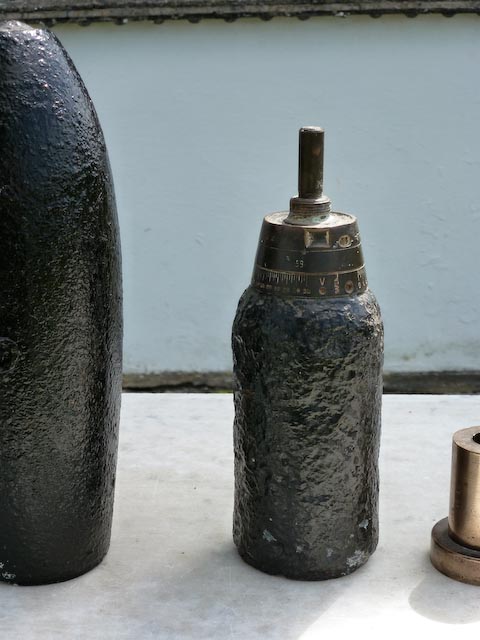
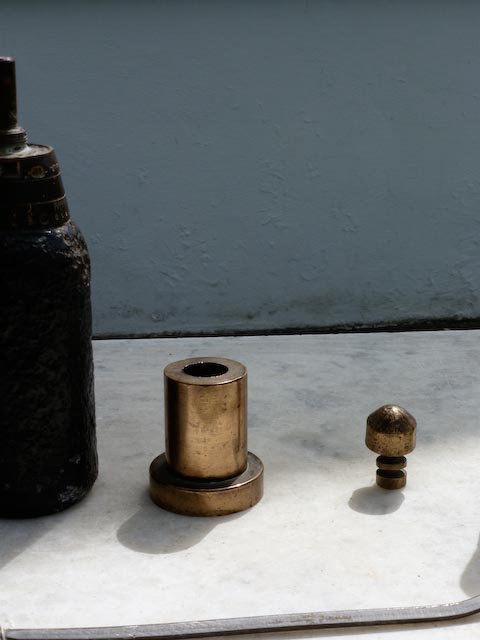
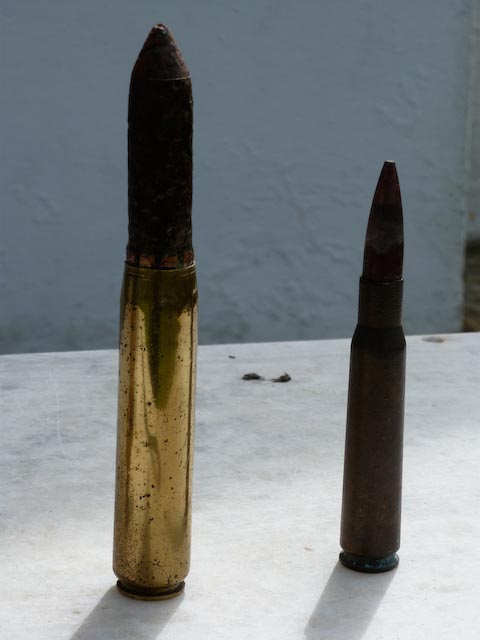
Some other Treligga finds. The 20mm round was collected by Granny/Grandpa while the range was still open. Peter H the 20mm case does not seem to be the usual shape. Comments please? The mortar round is I think connected with Home Guard use of the area. The brass fuse is from a RP round?
Replied by John Anderson on topic Finds and UXBs!
This image is hidden for guests.
Please log in or register to see it.
This image is hidden for guests.
Please log in or register to see it.
This image is hidden for guests.
Please log in or register to see it.
This image is hidden for guests.
Please log in or register to see it.
This image is hidden for guests.
Please log in or register to see it.
Some other Treligga finds. The 20mm round was collected by Granny/Grandpa while the range was still open. Peter H the 20mm case does not seem to be the usual shape. Comments please? The mortar round is I think connected with Home Guard use of the area. The brass fuse is from a RP round?
Please Log in or Create an account to join the conversation.
- PETERTHEEATER
-
- Offline
- Platinum Member
-
Less
More
- Posts: 10905
- Thank you received: 772
20 Apr 2013 08:31 #217
by PETERTHEEATER
Replied by PETERTHEEATER on topic Finds and UXBs!
The 20mm case (at least) is rebated rim type, that is the base is slightly smaller in diameter than the main body of the case. It appears then to be a 20mm Oerlikon for the Type S cannon used by Britain, Germany and the US. The indicator is that the headstamp contains the letters Oe that was on all British and German ammo. The letters RCC indicate British manufacture Brass case (steel versions were also made). Case length should be 110mm. So, a ground use anti-aircraft fired brass. All British 20mm cannon were Hispano firing the standard rimless 110mm cased round.
The mortar round? I see a practice bomb head with lateral hole in the nose for safety plunger and a bent suspension lug. The fuze next to it is unlikely to be for a RP or is Item 3 your 'mortar' round?
The mortar round? I see a practice bomb head with lateral hole in the nose for safety plunger and a bent suspension lug. The fuze next to it is unlikely to be for a RP or is Item 3 your 'mortar' round?
Please Log in or Create an account to join the conversation.
- John Anderson
- Offline
- Elite Member
-
Less
More
- Posts: 1287
- Thank you received: 195
20 Apr 2013 09:08 #218
by John Anderson
Interesting about the 20mm case being from a ground based weapon as found on an air to ground range. The mortar round is the middle item in image 3 with some brass work missing. The RP fuse is I believe the item on the right in image 4. The other brass item in the middle of image 4 is unknown-from a tank/vehicle target?
Replied by John Anderson on topic Finds and UXBs!
The 20mm case (at least) is rebated rim type, that is the base is slightly smaller in diameter than the main body of the case. It appears then to be a 20mm Oerlikon for the Type S cannon used by Britain, Germany and the US. The indicator is that the headstamp contains the letters Oe that was on all British and German ammo. The letters RCC indicate British manufacture Brass case (steel versions were also made). Case length should be 110mm. So, a ground use anti-aircraft fired brass. All British 20mm cannon were Hispano firing the standard rimless 110mm cased round.
The mortar round? I see a practice bomb head with lateral hole in the nose for safety plunger and a bent suspension lug. The fuze next to it is unlikely to be for a RP or is Item 3 your 'mortar' round?
Interesting about the 20mm case being from a ground based weapon as found on an air to ground range. The mortar round is the middle item in image 3 with some brass work missing. The RP fuse is I believe the item on the right in image 4. The other brass item in the middle of image 4 is unknown-from a tank/vehicle target?
Please Log in or Create an account to join the conversation.
- PETERTHEEATER
-
- Offline
- Platinum Member
-
Less
More
- Posts: 10905
- Thank you received: 772
20 Apr 2013 09:37 #219
by PETERTHEEATER
Replied by PETERTHEEATER on topic Finds and UXBs!
I am assuming the 20mm is ground fired because, as far as I know, this round was not used in British aircraft guns but, the French produced the Oerlikon S under a Hispano type and used in some of their aircraft. As an aside, a number of Oerlikon 20mm was taken out of RN stores (Singapore) complete with mounting pedestal and shipped and installed at Borneo bases as AA cover against Indonesia air attacks during the 'Confrontation' in mid-60s. We had them at Labuan and Kuching. 60 round magazines and the cartridge cases had to be lubricated (greased) to facilitate extraction due to the designed blowback action.
Ranges such as Treliiga with an out-to-sea safety trace lent themselves to use by all and sundry Army, Navy and RAF and Dad's Army so, subject to agreement by the owning unit and limitations on explosive rounds all manner of weapons could be set up and fired (hence the mortar shell)
Can you give me the diameter of the 'mortar' shell?
Ranges such as Treliiga with an out-to-sea safety trace lent themselves to use by all and sundry Army, Navy and RAF and Dad's Army so, subject to agreement by the owning unit and limitations on explosive rounds all manner of weapons could be set up and fired (hence the mortar shell)
Can you give me the diameter of the 'mortar' shell?
Please Log in or Create an account to join the conversation.
- John Anderson
- Offline
- Elite Member
-
Less
More
- Posts: 1287
- Thank you received: 195
20 Apr 2013 11:39 #220
by John Anderson
Replied by John Anderson on topic Finds and UXBs!
The mortar (obviously just the front end minus the nose cone & tail section) is hollow 3 inches diameter. There are 3 brass rings present with various markings on them e.g. the ring what would been closest to the nose has 390 IIA AE 6 44 59, next ring 59, 3rd ring a grid numbered 0 to 30 and includes a 'Safe' mark.
Please Log in or Create an account to join the conversation.
- Forum
- Open Forum
- Miscellaneous Research Topics
- General Airfield or 20th Century Military Architecture Discussion Topics
- Finds and UXBs!
Time to create page: 0.075 seconds

![[IMG]/community/124286=12008-Scanned Image.jpg[/img]](/community/124286=12008-Scanned%20Image.jpg)